
Creative Sprint in Berlin - 18-20 November 2025
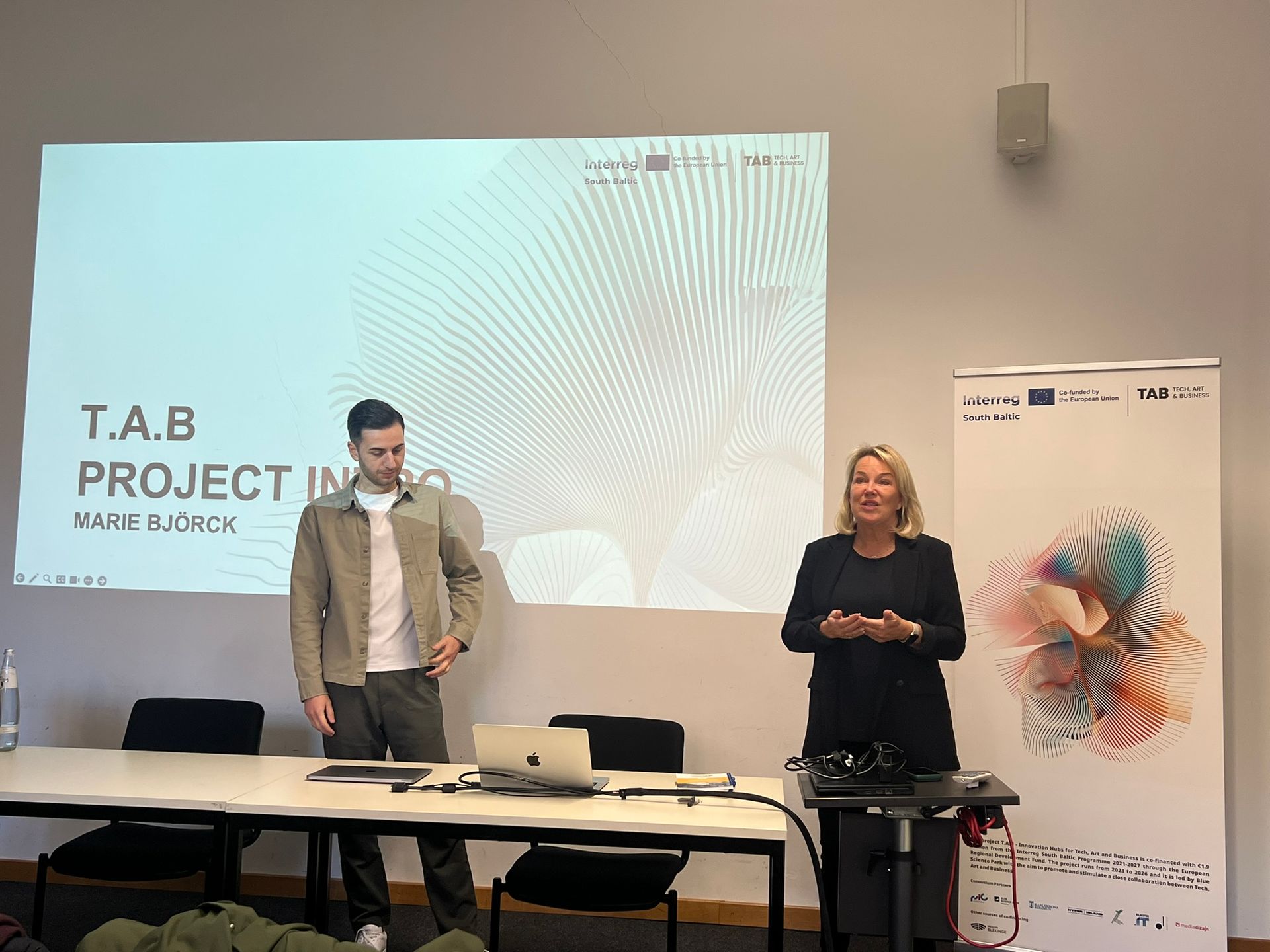
From 18 to 20 November 2025, the inspiring spaces of Humboldt University in Berlin hosted an intensive, collaborative Creative Sprint as part of our project.
This was the fourth edition of this type of event; previous sprints were held in Cannes, Karlskrona, and Vilnius, where we focused on topics such as artificial intelligence and virtual production in filmmaking. In Berlin, our focus turned to innovation and creative approaches to addressing real-world challenges.
This edition was organised by Hochschule Wismar – University of Applied Sciences, one of the partners of the T.A.B. project.
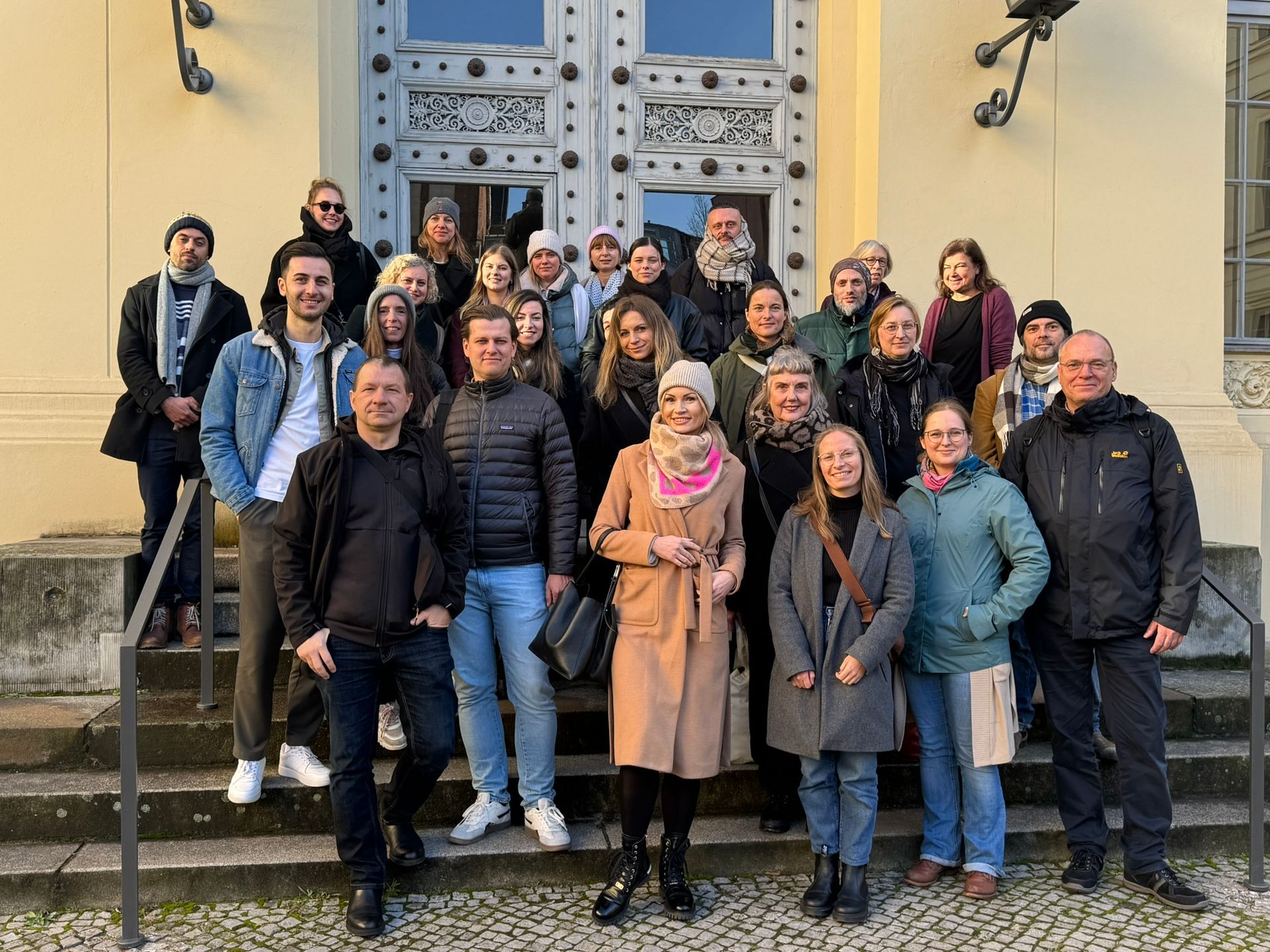
The event once again brought together professionals from the creative, technological, business, and cultural sectors to address real-world challenges collectively. Participants worked in interdisciplinary teams to develop solutions that combine art, technology, and innovation.
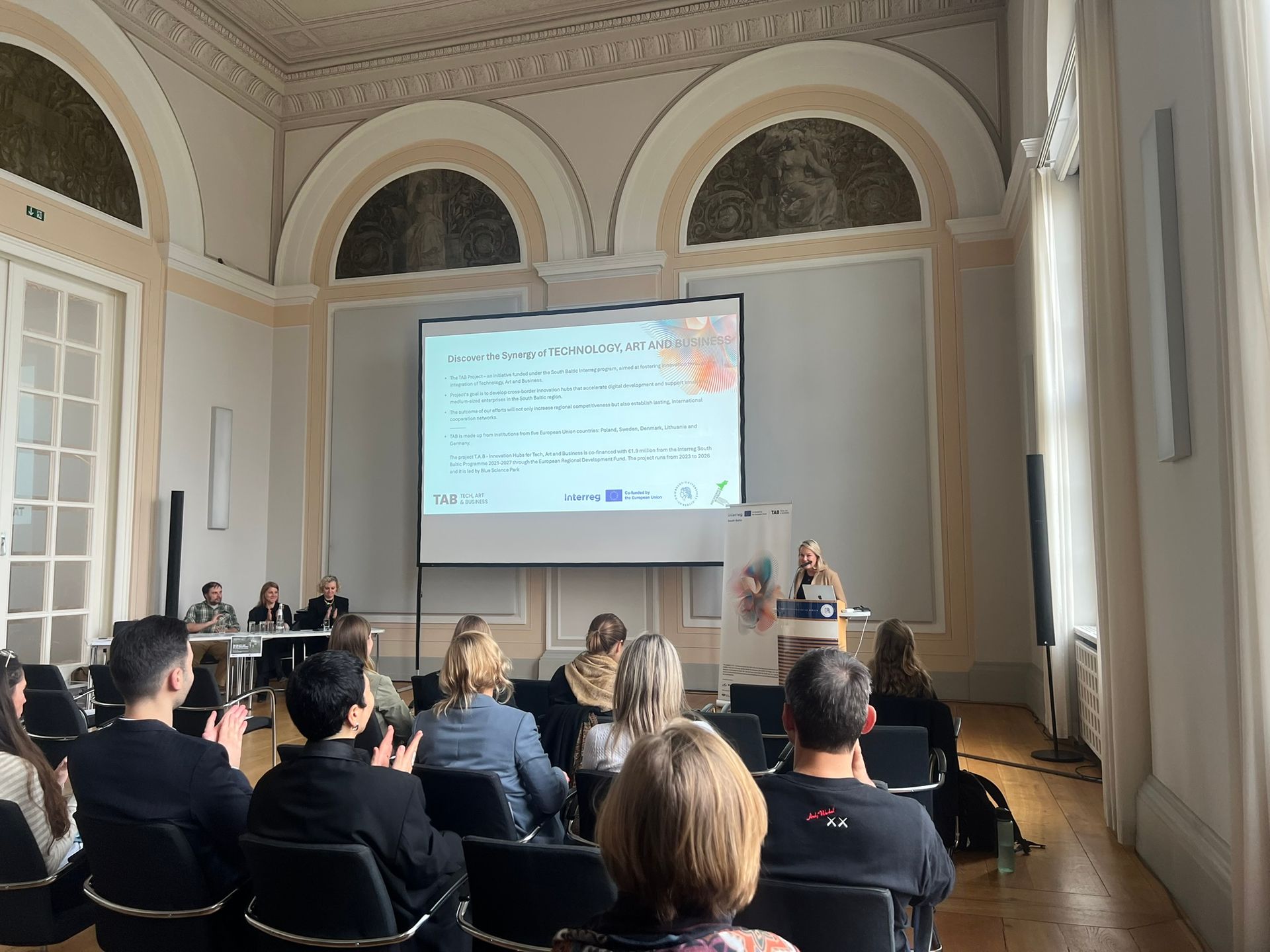
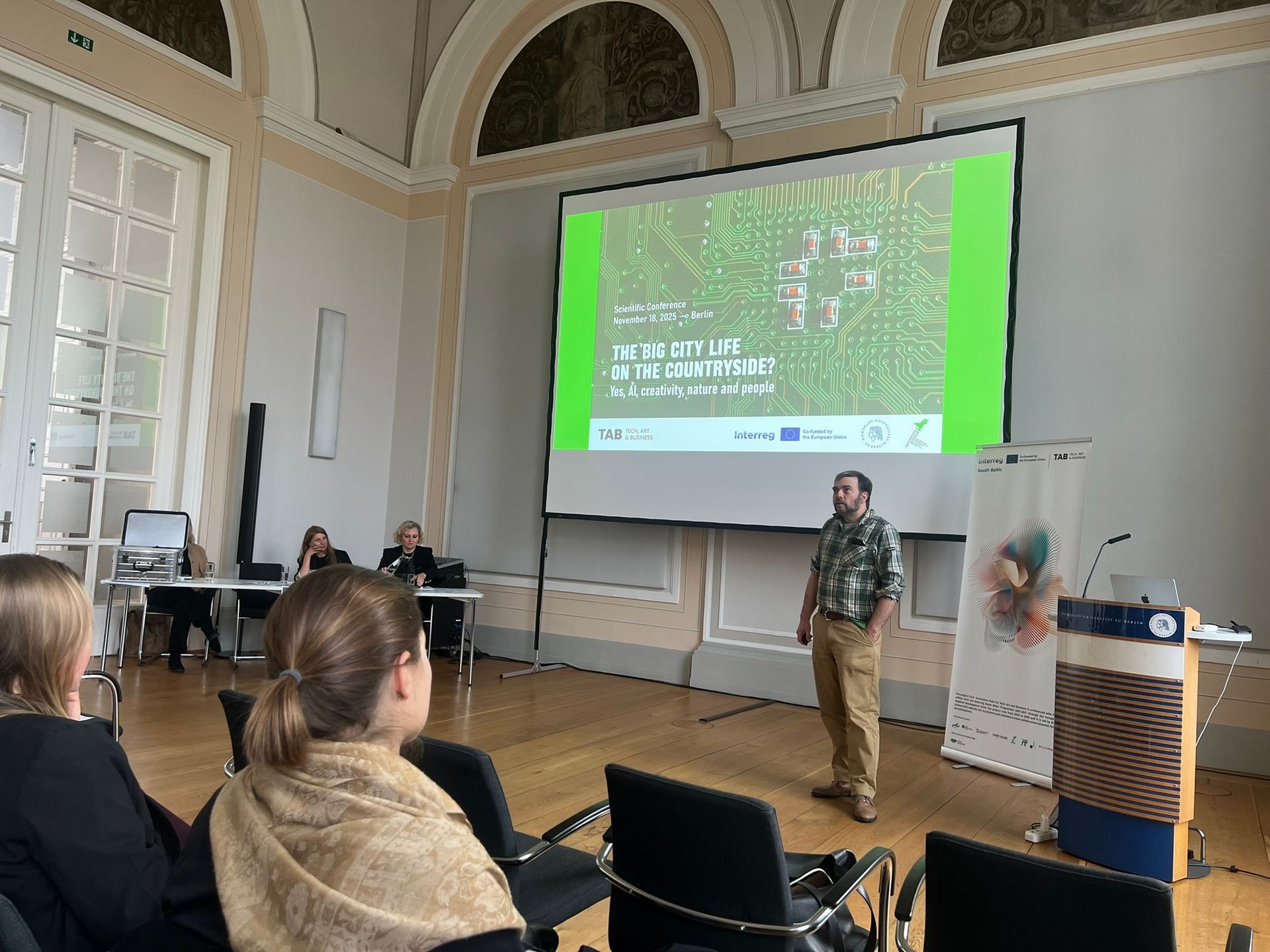
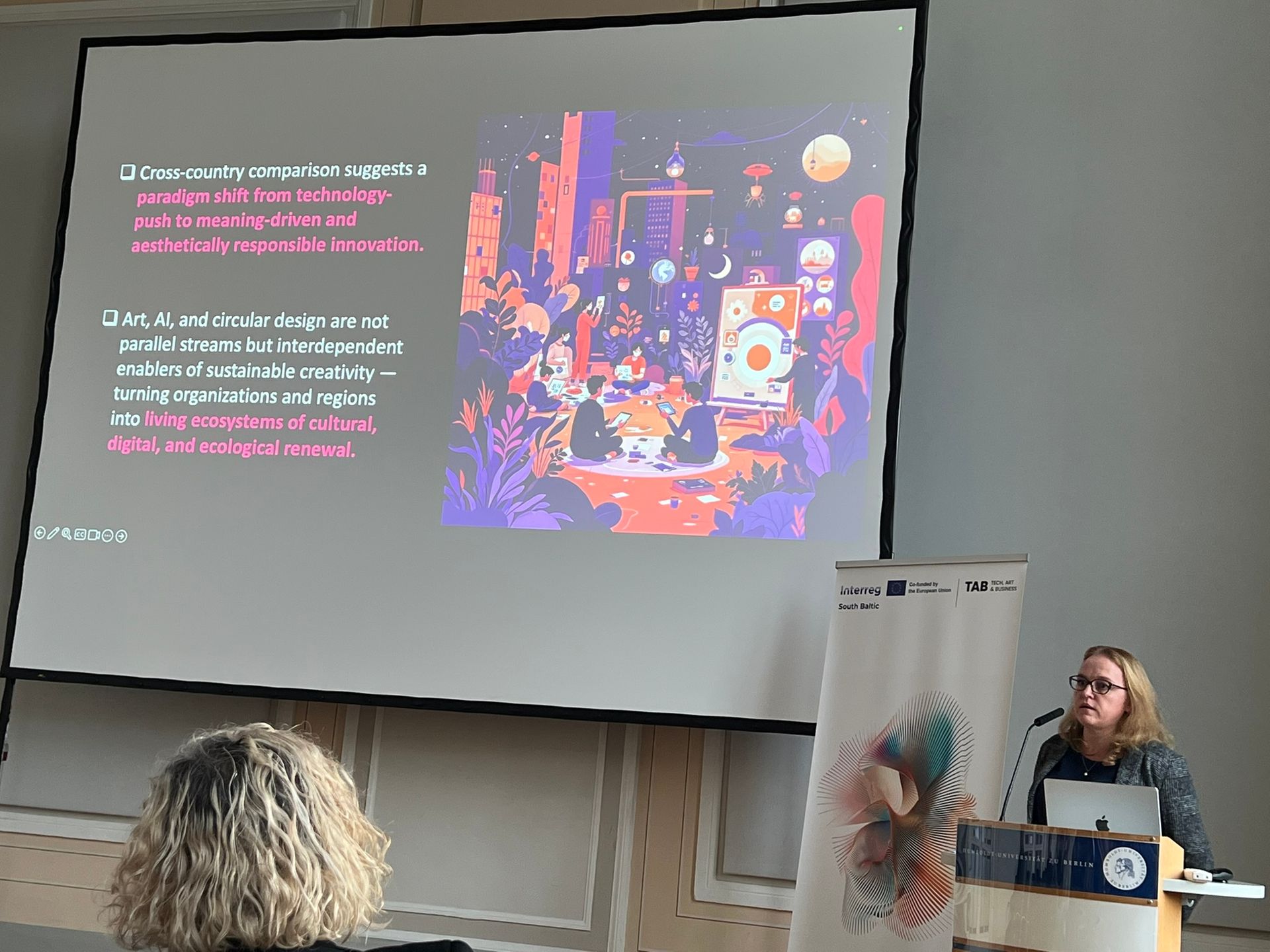
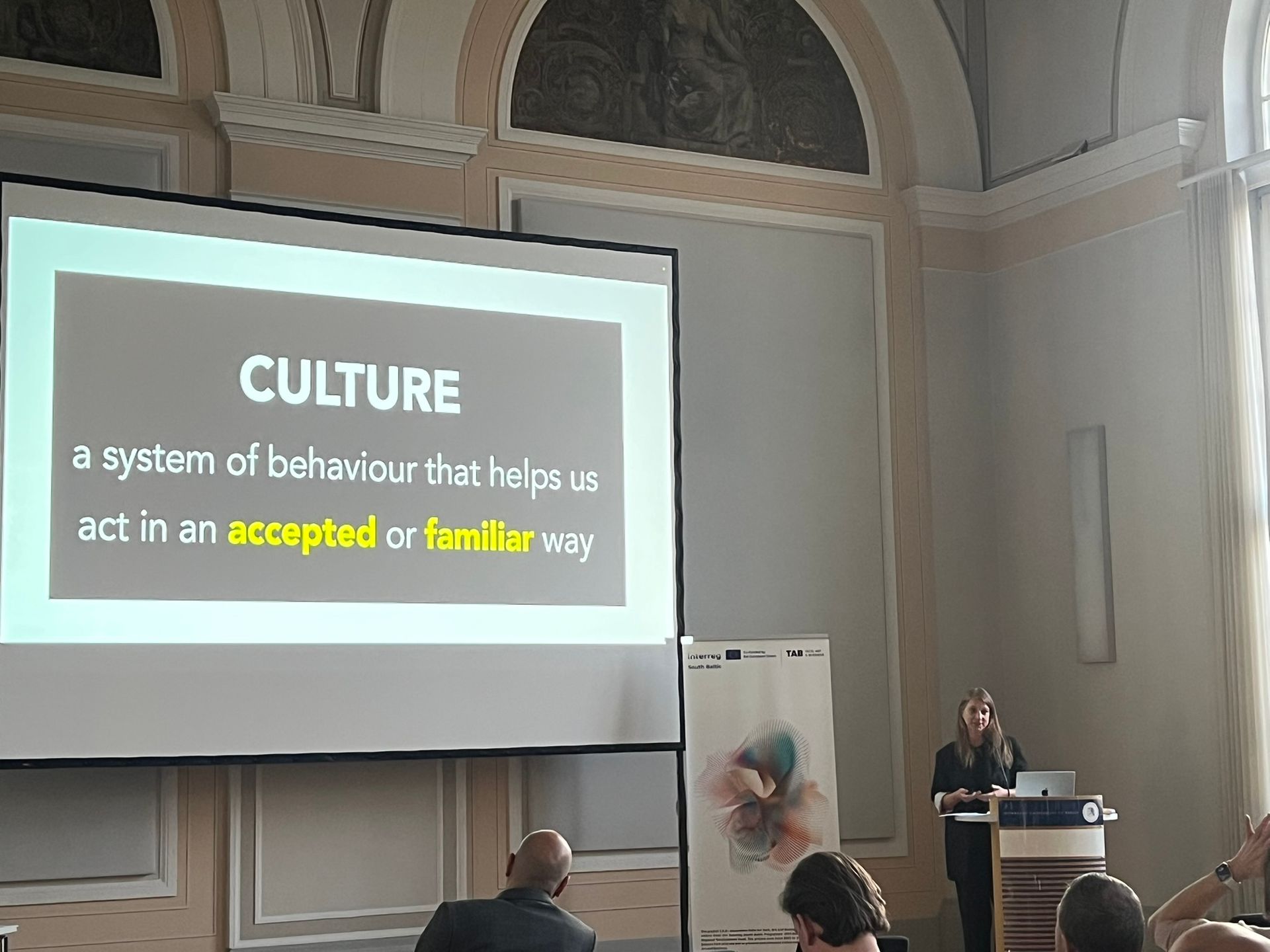
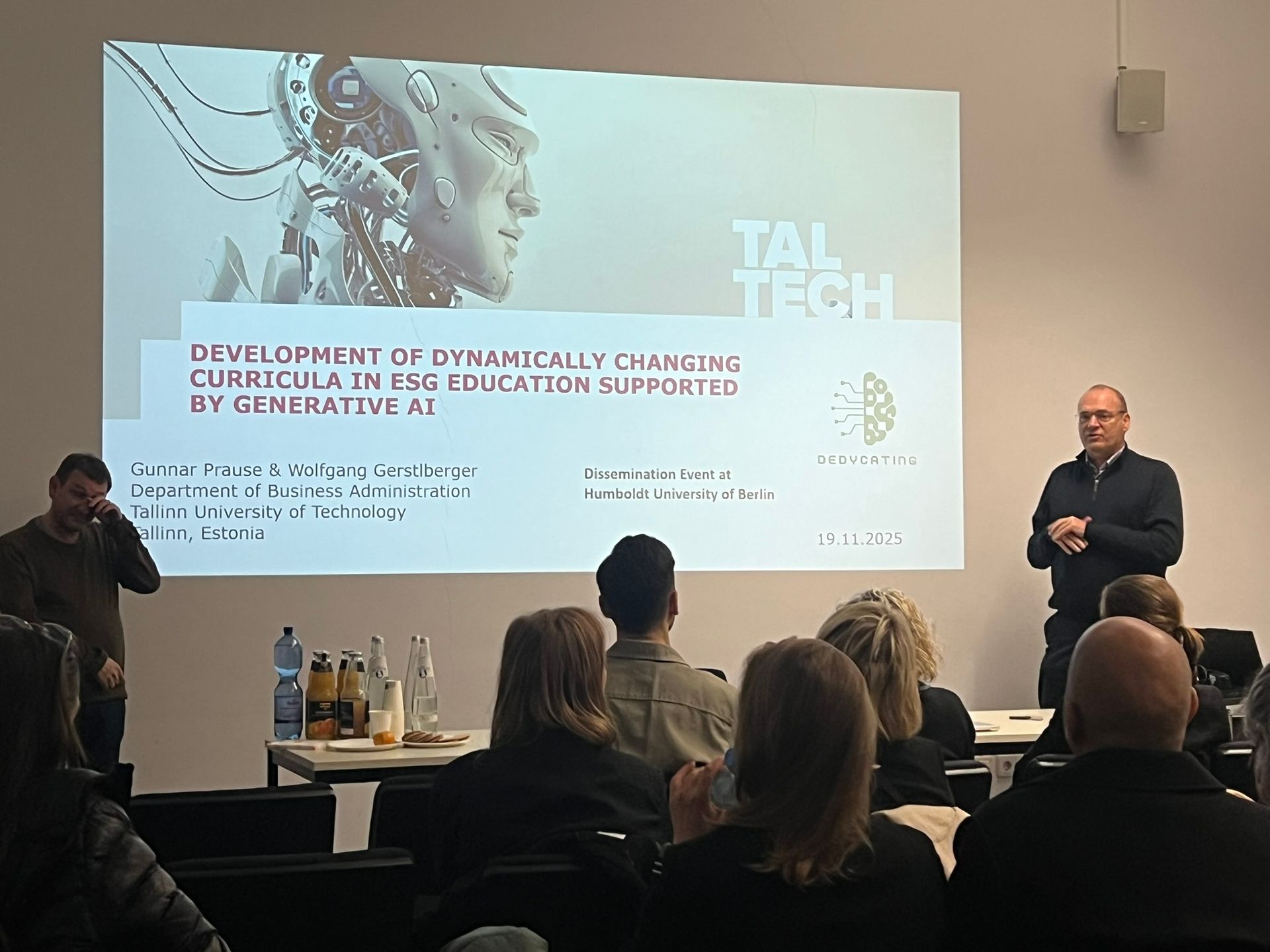
The first day of our meetings was dedicated to a scientific conference, serving as an academic introduction to the theme “Big City Life in the Countryside: AI, Creativity, Nature & People.”
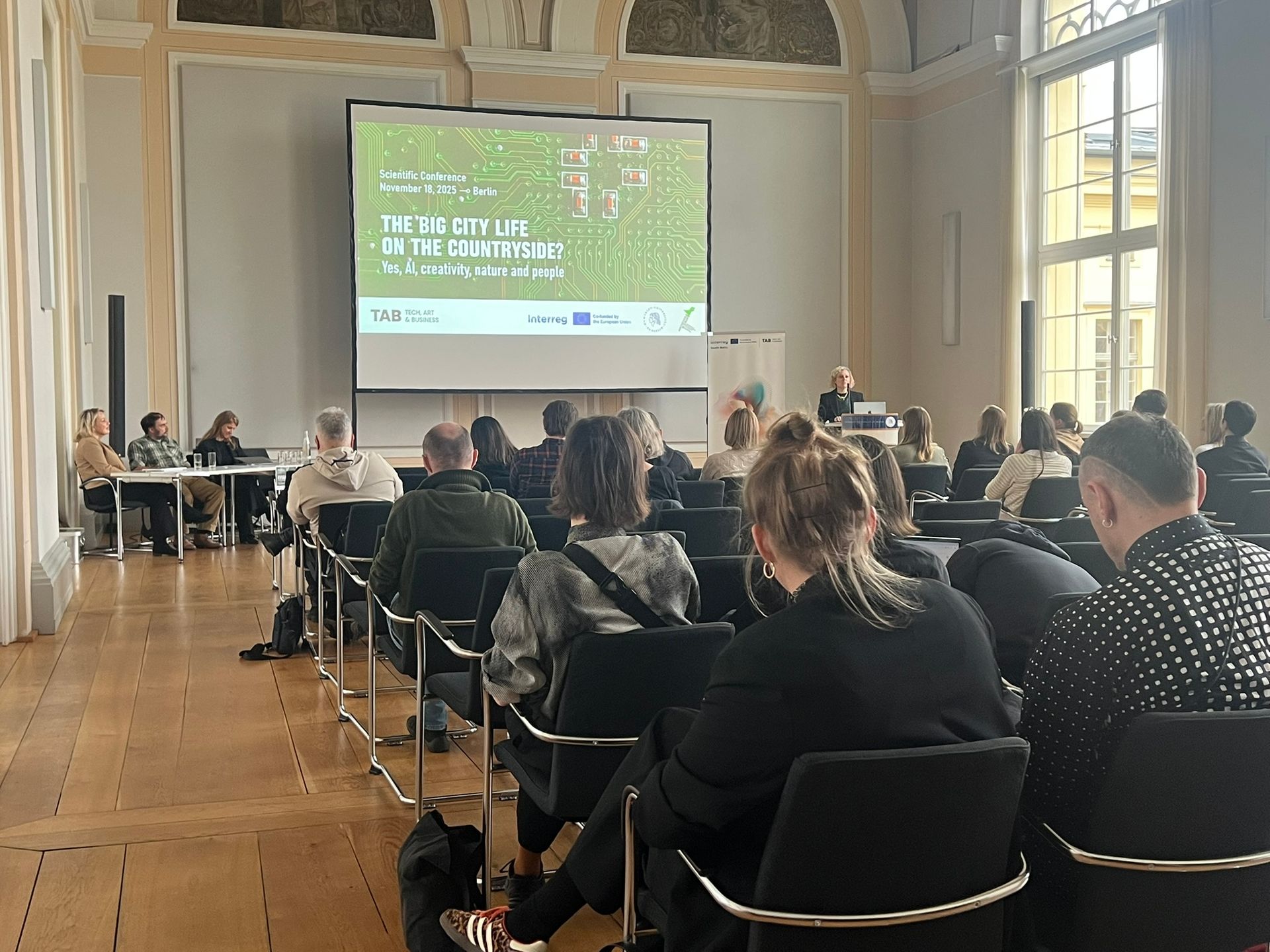
The conference brought together researchers, creators, urban planners, designers, and technology specialists to explore how emerging technologies—including AI—can support the development of both urban and rural areas and shape new relationships among culture, nature, and society.
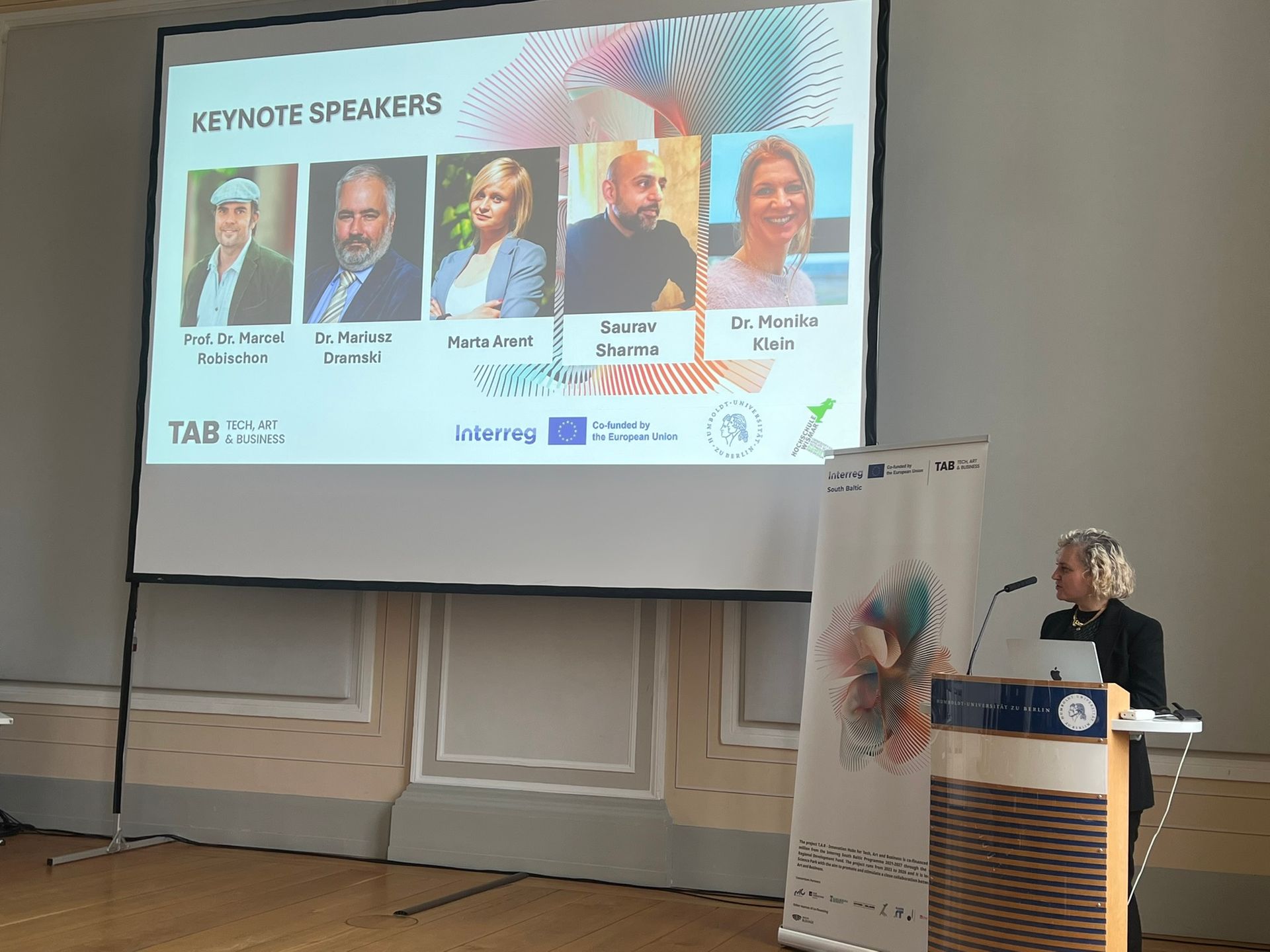
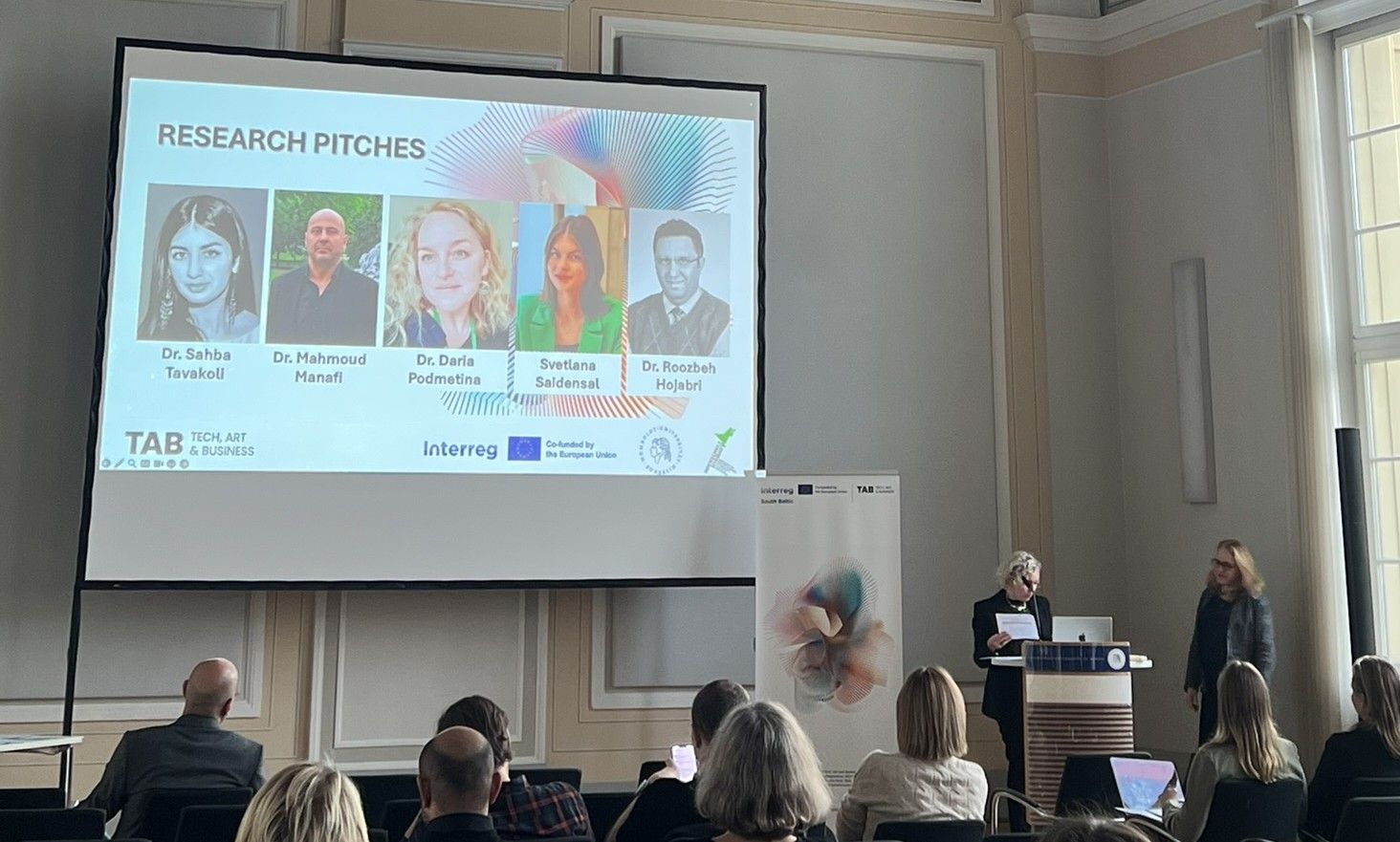
Across two blocks of expert talks and research pitches, speakers from diverse fields — spanning science, design, art, and business — shared their perspectives on the future of urban environments, sustainable development, and the opportunities offered by creative technologies.
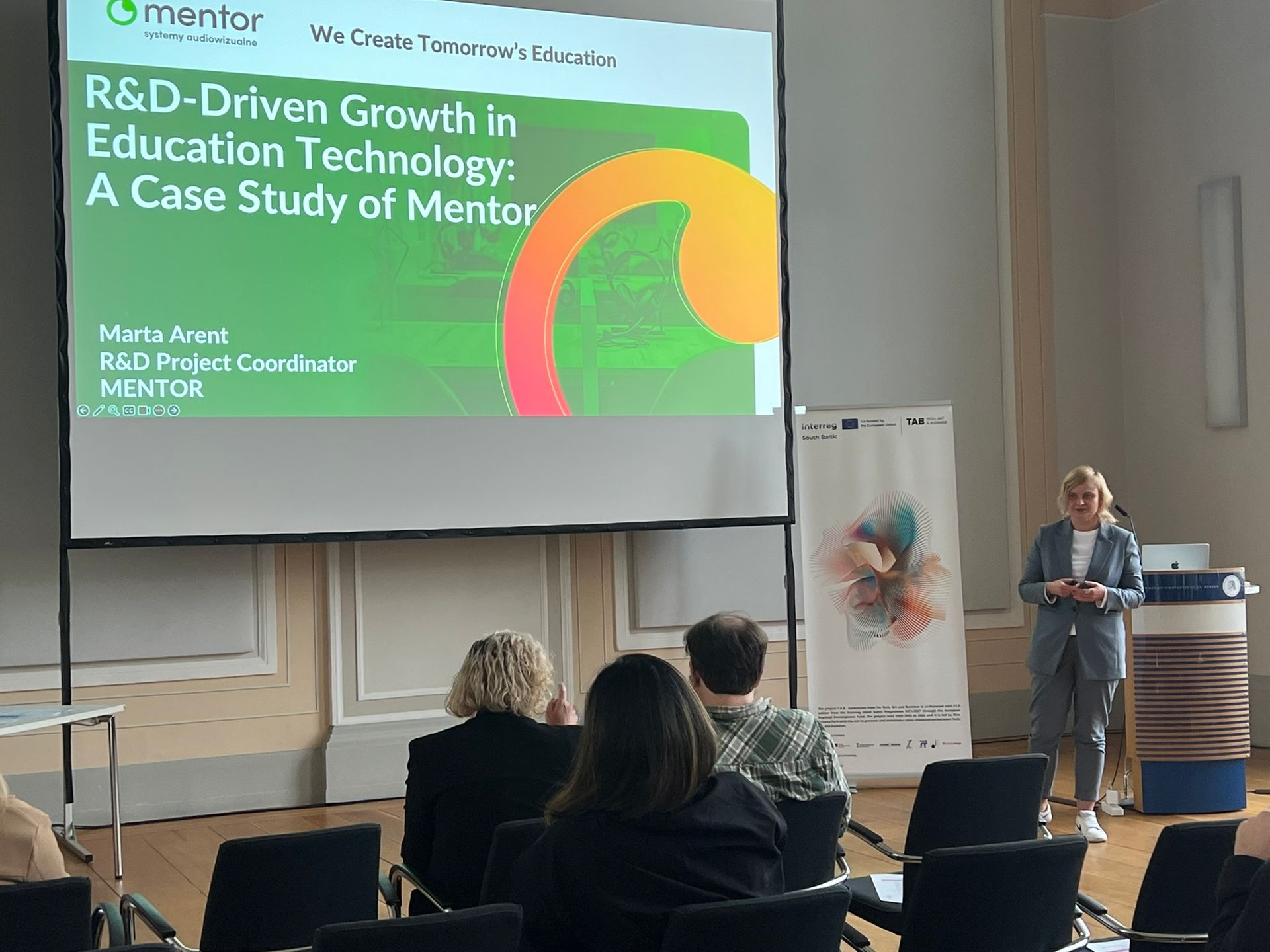
The discussions focused on the role of AI in shaping spatial design, new models of community collaboration, and the impact of innovation on quality of life.
In the afternoon, participants gathered for a networking session at the Humboldt Graduate School, where they exchanged experiences, connected with speakers, and established valuable cross-sector contacts, laying the groundwork for the sprint's collaborative work in the days that followed.
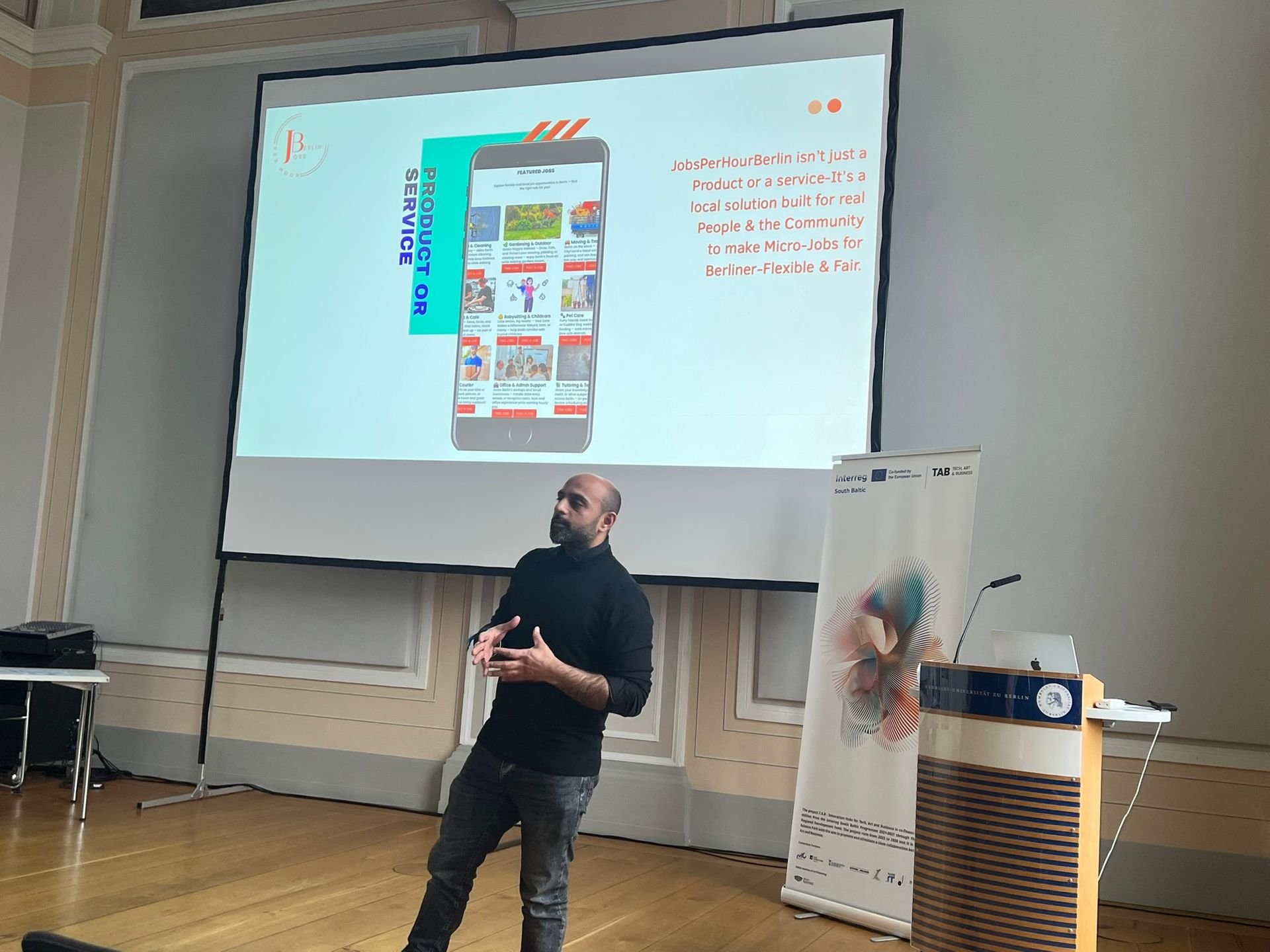
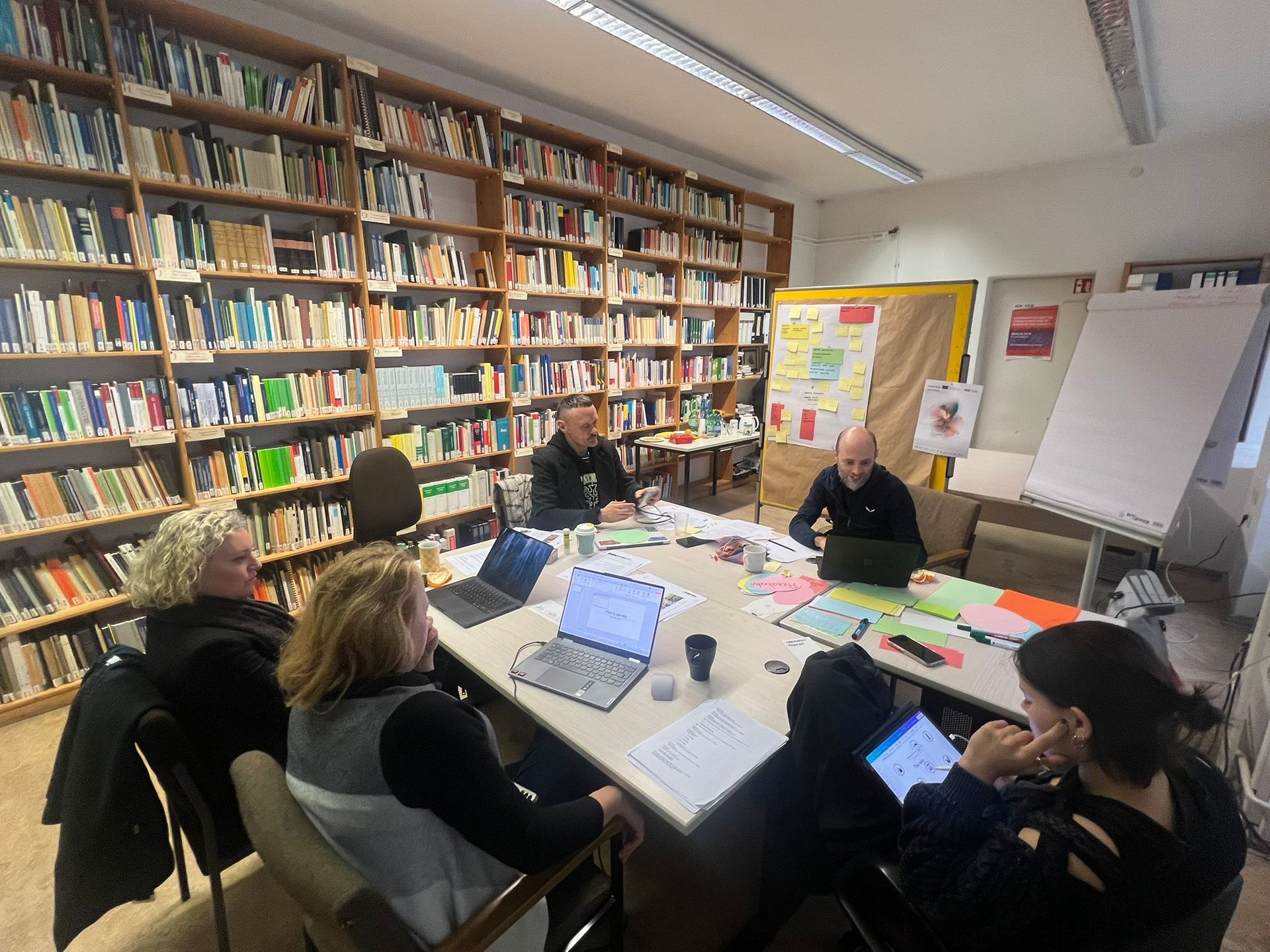
Days 2 and 3 were dedicated to Creative Sprints, during which participants prototyped ideas and scenarios for more connected, resilient, and inclusive futures.
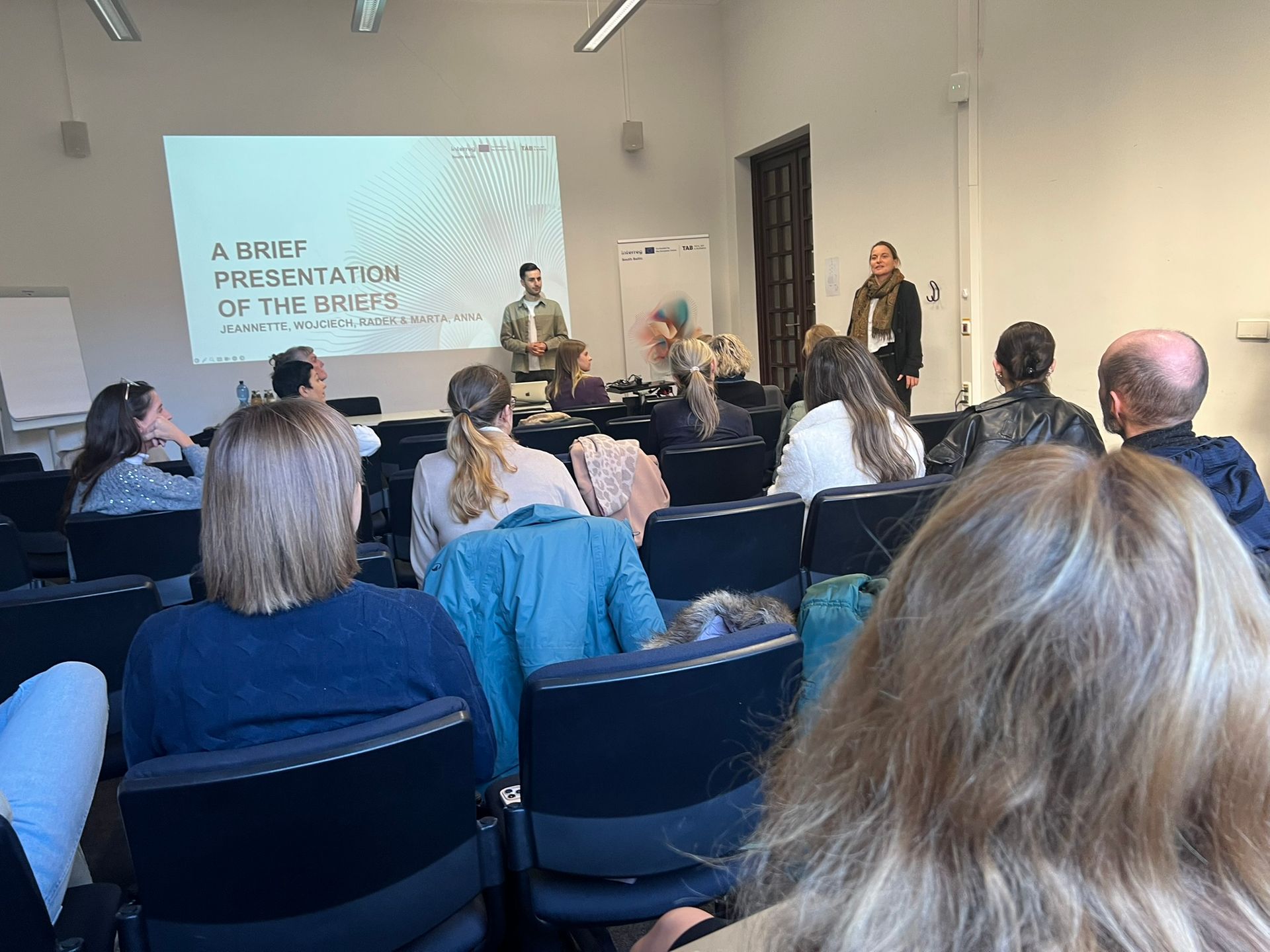
Teams worked on four project briefs covering themes including VR & wellbeing, cultural tourism, cross-border storytelling, game development, and creative workspace design.
Four project briefs were developed during the sprint:
- Deep Focus in VR
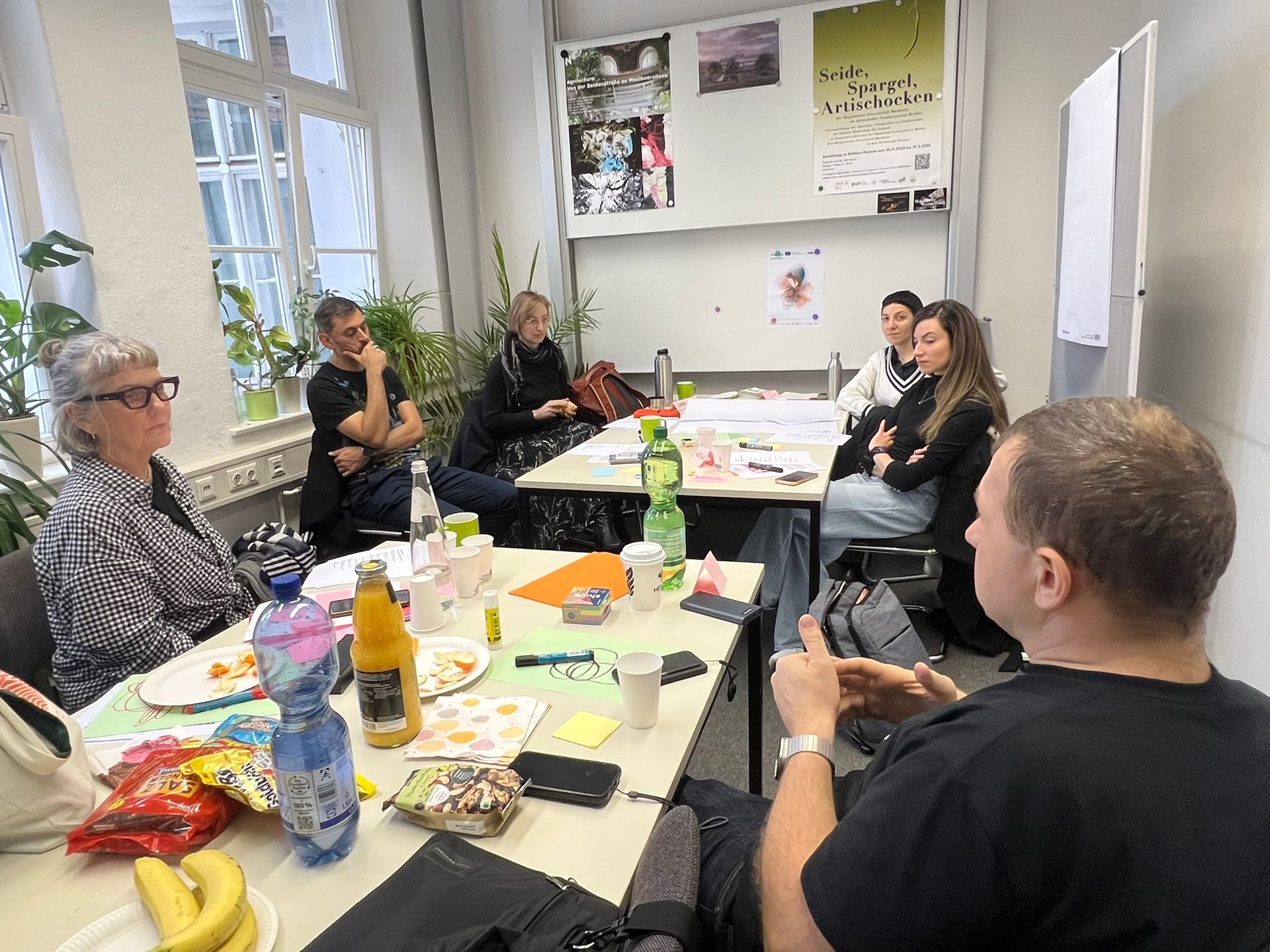
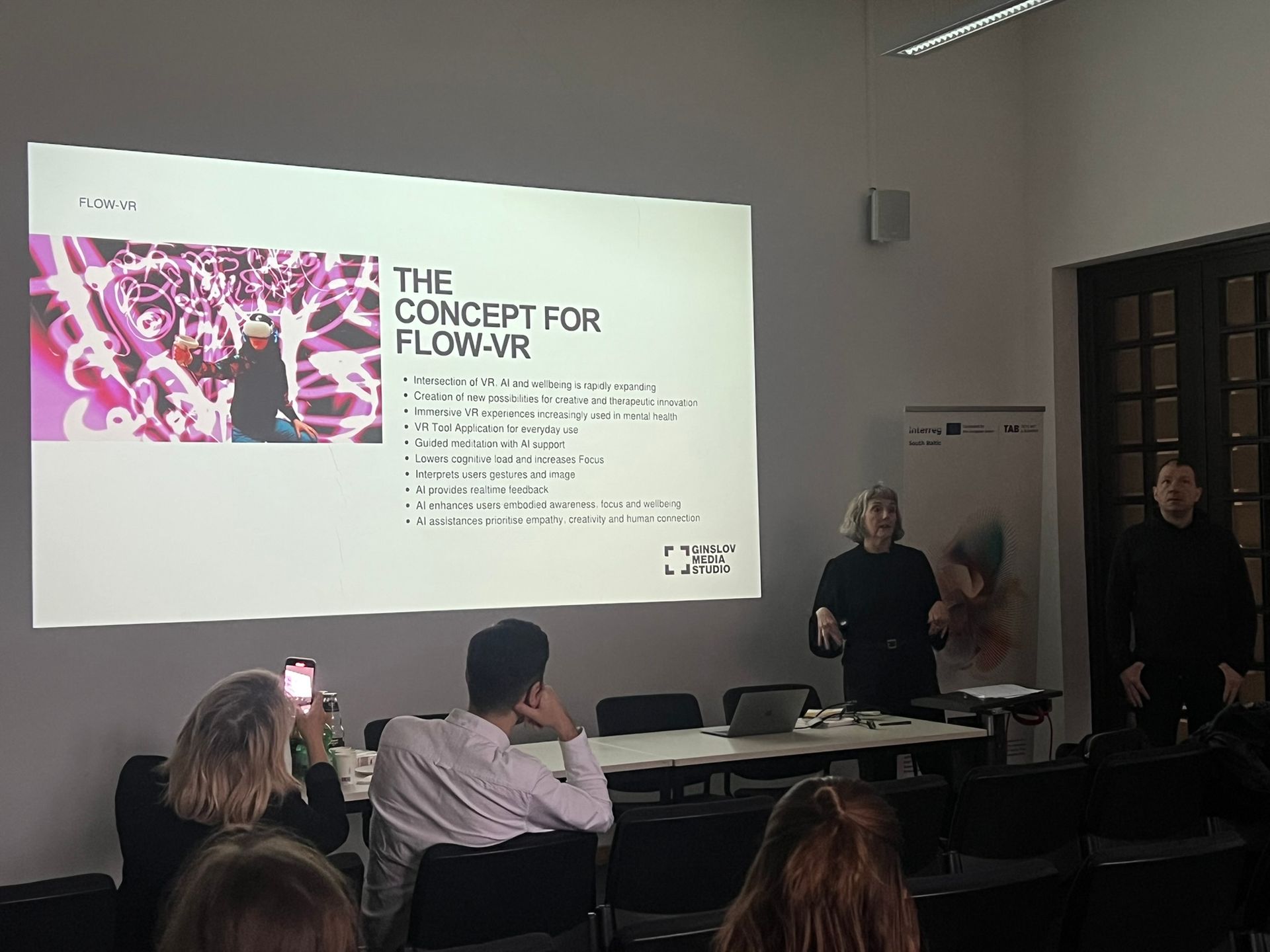
A project by Dr Jeannette Ginslov focused on creating an immersive VR experience in which 3D drawing serves as a tool for mindfulness, emotional regulation, and creative self-reflection. The team explored how subjective, embodied expressions could be translated into meaningful interactions that support wellbeing, and how AI might interpret users’ gestures and drawings to provide sensitive feedback.
- Baltic Game Odyssey
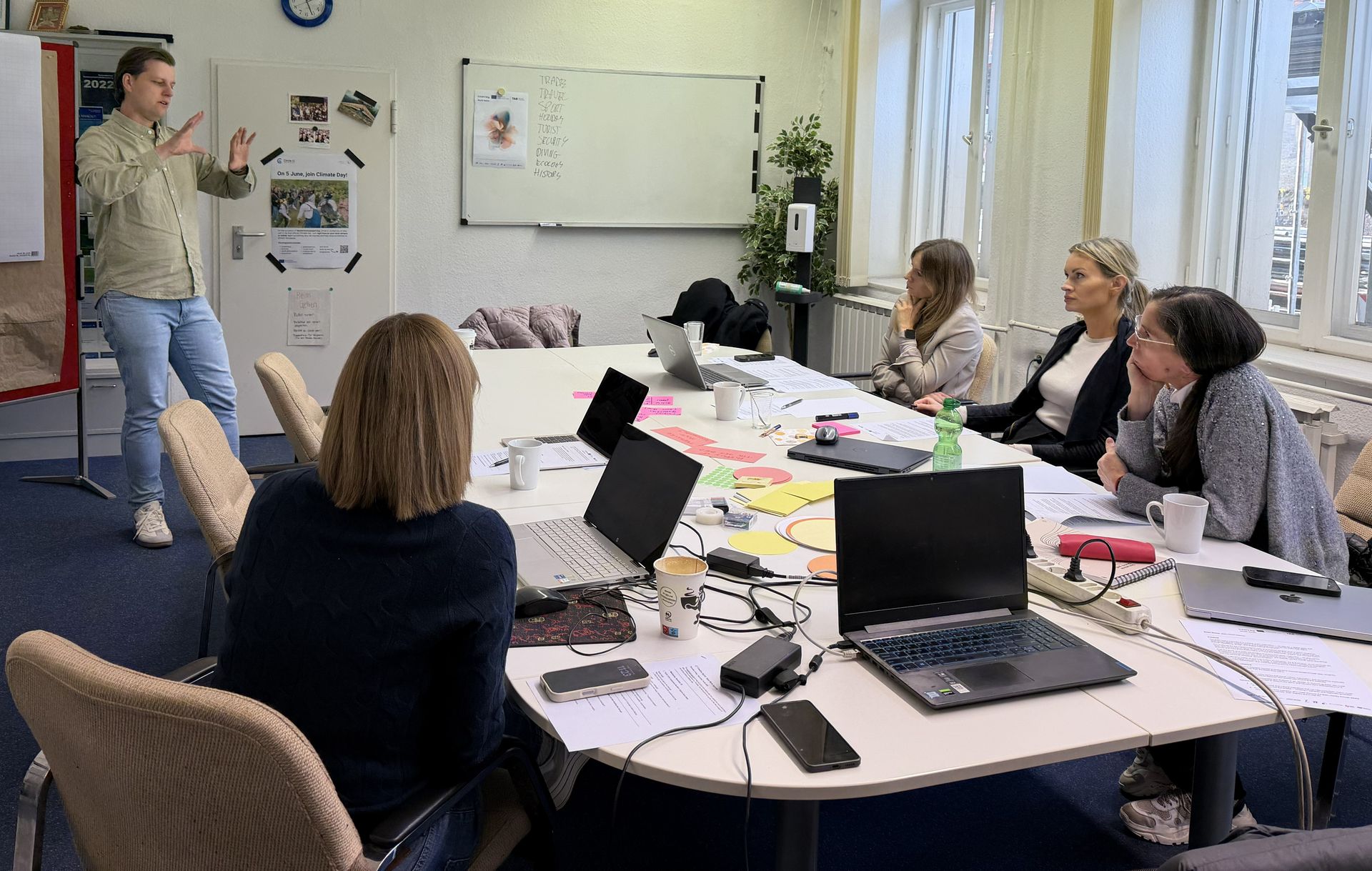
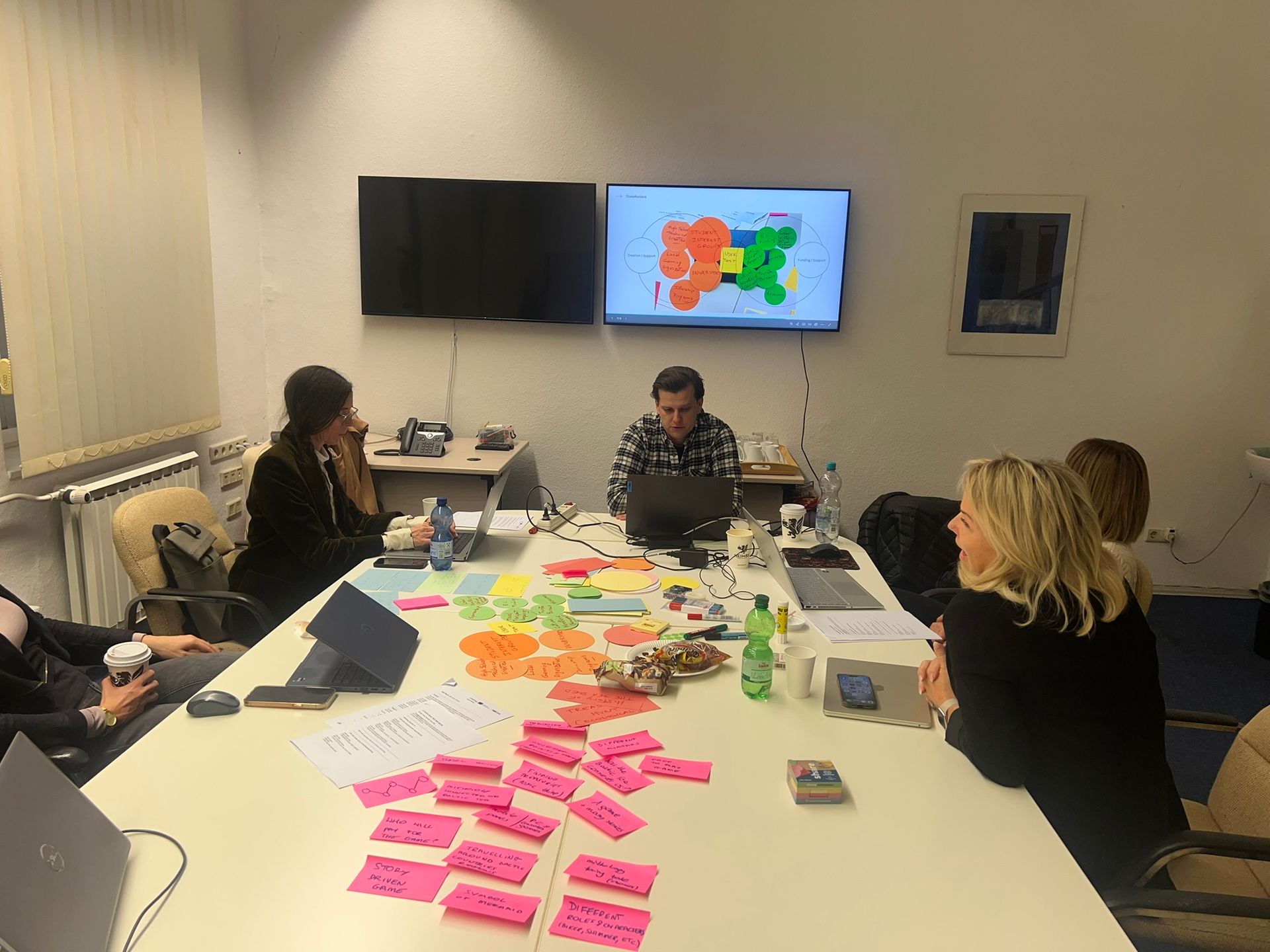
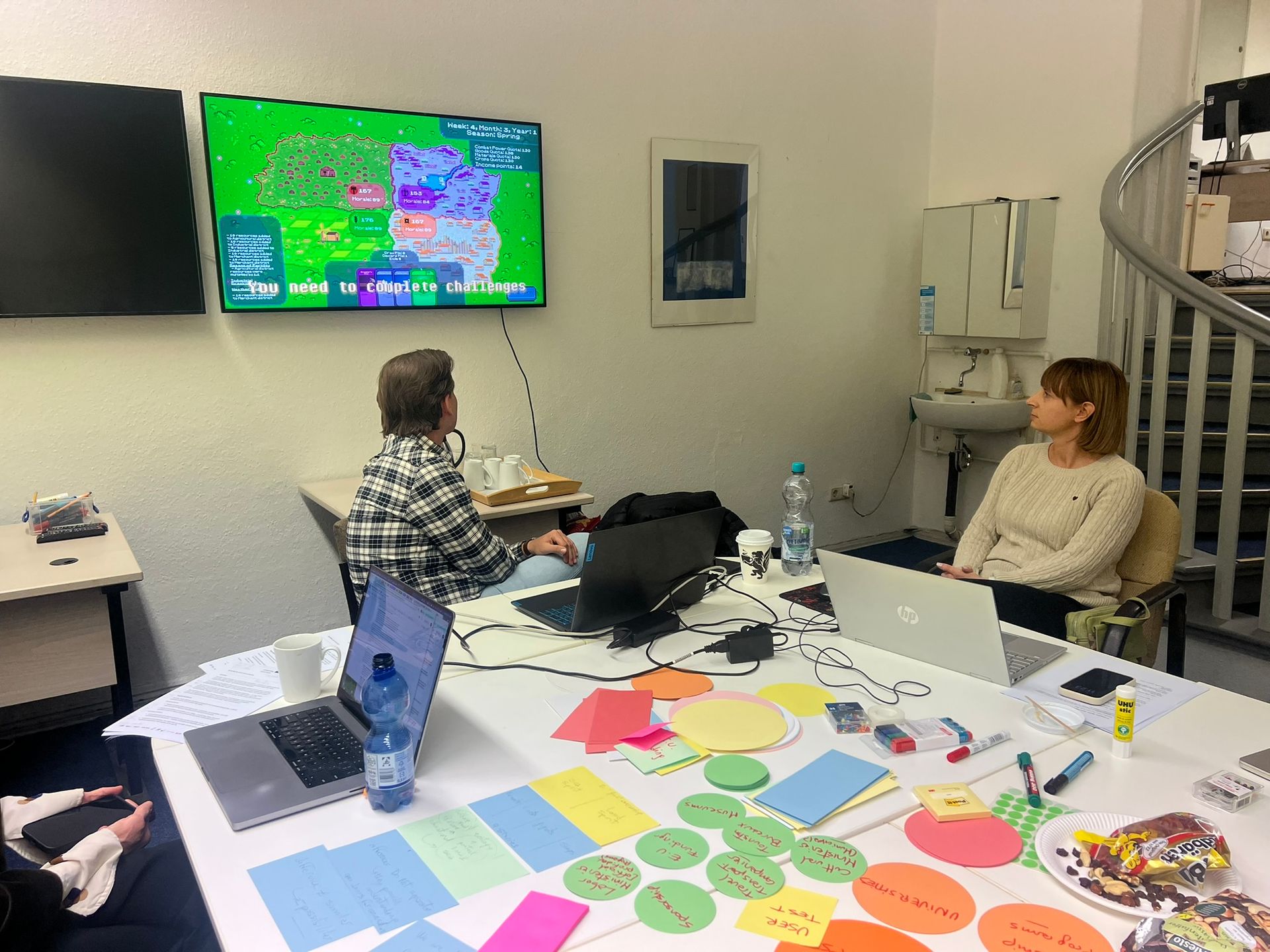
A brief prepared by Radosław Juszczyk from Fabryka Gier. The team developed a concept for a multinational game inspired by the culture and identity of the Baltic Sea region, exploring its narrative potential, target audience, and overall structure.
- Interactive Art Journey: Berlin–Szczecin–Kołobrzeg
A project transforming a cross-border cycling route into an artistic and technological experience. The team led by Wojciech Grela developed creative stops and installations enhanced with AR elements. The brief was created in response to needs identified by the Marshal’s Office in Szczecin to introduce innovative concepts for developing and promoting regional cycling routes.
- Reimagining Creative Workspace in Wismar
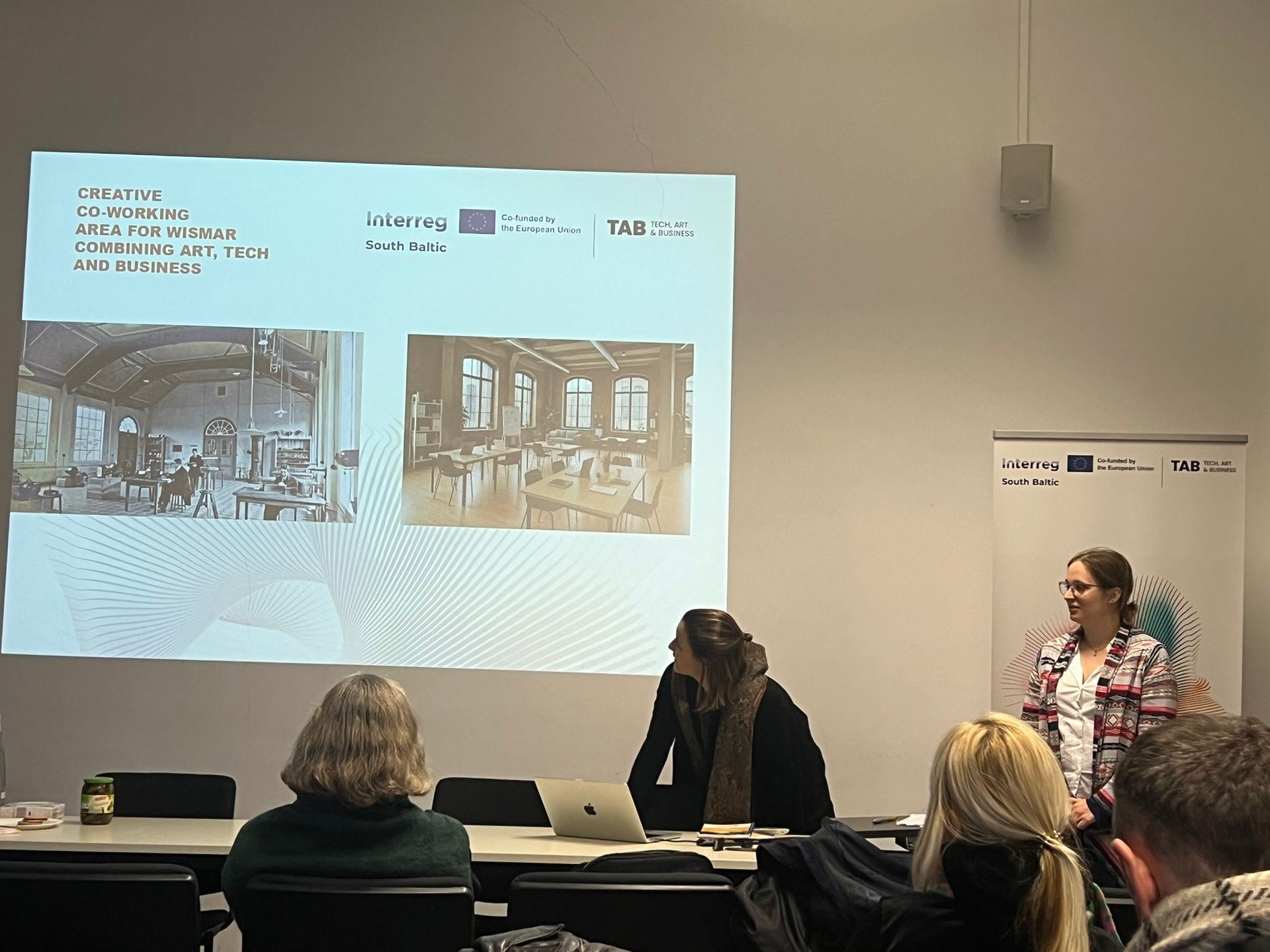
The group's task was to design a concept for a new creative workspace in Wismar that addresses the limited availability of flexible, affordable workspaces for local artists. The project aimed to inspire the creation of a shared environment that supports collaboration, experimentation, and cultural exchange.
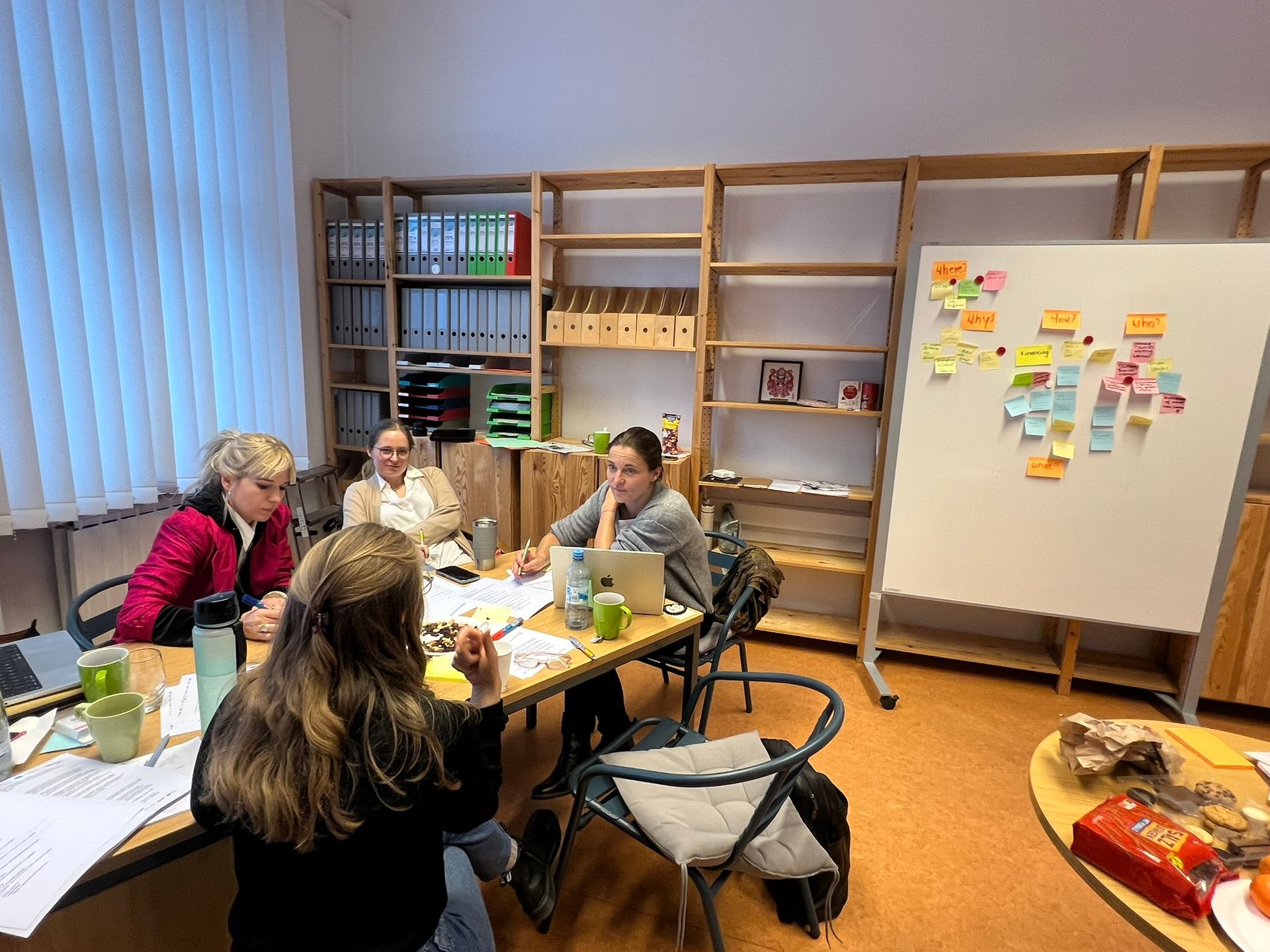
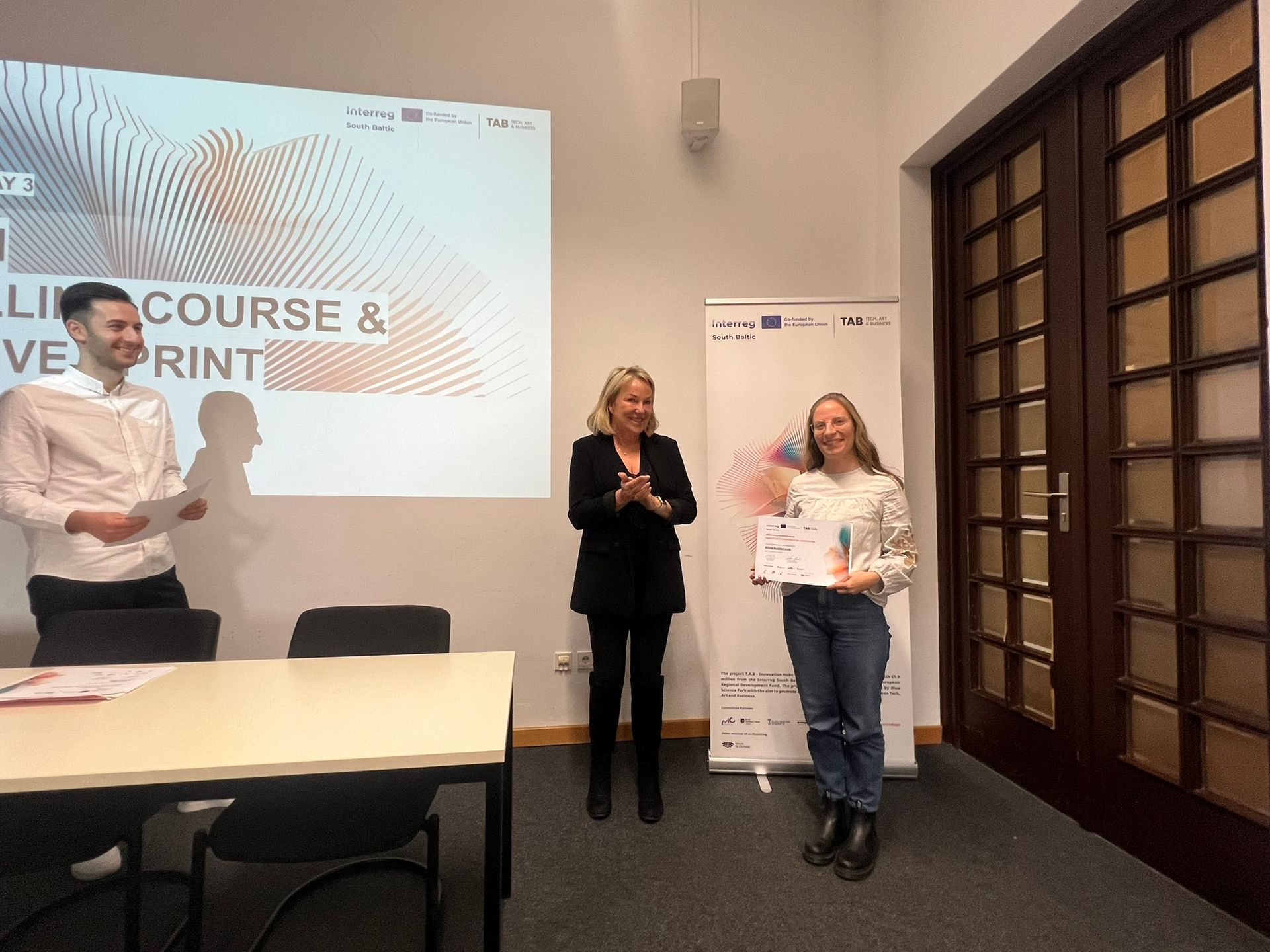
Throughout the sprint, participants analysed user needs, generated ideas, created prototypes, and prepared final presentations. On the final day, all teams presented their projects, demonstrating how technology, art, and creativity can shape the future of our regions.
The Creative Sprint in Berlin was an intense, inspiring, and highly valuable experience; it generated new ideas, strengthened relationships, and outlined directions for further development. The event confirmed the enormous potential of international collaboration and joint innovation.
We look forward to the following stages of the project and extend our thanks to everyone who contributed to this exceptional event.
The event was co-funded by the European Union, Interreg South Baltic.